Imagine this: You’re running a bustling small business, things are going great, and then—bam!—an unexpected incident occurs. It could be as mundane as a slip-and-fall or as catastrophic as a fire. Suddenly, you’re facing potential financial ruin. This is where small business insurance comes into play, your safety net in the unpredictable world of commerce.
In this guide, we’re diving deep into the world of small business insurance. We’ll unravel the complexities, showcase the must-have coverages, and reveal why having a robust insurance plan is not just an option, but a necessity. Let’s get started!
Understanding Small Business Insurance Needs
Did you know that 40% of small businesses never reopen after a disaster? That’s a staggering stat. Especially when you consider how insurance could protect your business from risks, big and small.
Small businesses face a plethora of risks every day. From property damage due to natural disasters to potential lawsuits from customers or employees, the threats are real. Insurance serves as your safety net, ensuring that when things go south, you have a backup plan in place.
Types of Risks Small Businesses Face
Every small business has its unique set of risks. Retailers might worry about shoplifting or property damage, while tech startups fear data breaches or intellectual property theft. But here’s the deal: every risk can be mitigated with the right insurance coverage.
How Business Size and Industry Affect Insurance Requirements
No two businesses are the same. A bakery on Main Street won’t have the same insurance needs as a rapidly growing tech firm. The size and industry of your business dramatically influence what type of coverage you need. For instance, a small restaurant may prioritize liability insurance to cover potential customer slip-and-fall incidents, while a large manufacturing plant might focus on property insurance to protect expensive machinery.
Overview of Essential Policies for Small Business Protection
Here are some must-have policies for small business owners:
- General Liability Insurance: Covers legal hassles due to accident, injuries, and claims of negligence.
- Property Insurance: Protects buildings, equipment, and inventory from theft, fire, or other hazards.
- Workers’ Compensation Insurance: Required if you have employees; covers medical expenses and lost wages if they get injured on the job.
- Professional Liability Insurance: Important if your business provides a service. It protects against claims of negligence or harm.
Pro Tip: Always assess your business’s unique risks before shopping for insurance. Don’t assume one-size-fits-all. Tailor your coverage to match your specific needs.
Types of Small Business Insurance Coverage
Do you know that 40% of small businesses will experience a property or liability loss within the next 10 years? That’s a shocking stat you can’t ignore. If you’re a small business owner, understanding your insurance options is crucial.
Let’s break down the major types of insurance coverage you need to consider: general liability, professional liability, and commercial property insurance. Each serves a different purpose, and knowing the difference can save your business.
General Liability vs. Professional Liability vs. Commercial Property Insurance
General Liability Insurance is like your business’s safety net. It covers you against claims of bodily injury, property damage, and advertising injuries. Imagine a customer slipping on a wet floor in your store. This is where general liability steps in.
On the other hand, Professional Liability Insurance, often called errors and omissions (E&O) insurance, is crucial if you’re in a service-based industry. It protects you from claims of negligence or mistakes. Think of it as a shield against that one client who claims your advice cost them big bucks.
Commercial Property Insurance covers the physical assets of your business. We’re talking about your building, equipment, and inventory. Picture this: a fire breaks out, and your entire stock is lost. Commercial property insurance has your back.
Additional Coverage Options
Beyond the basics, there are other types of coverage to consider. These can provide more tailored protection for specific risks.
- Cyber Liability Insurance: Protects against data breaches and cyber attacks.
- Workers’ Compensation Insurance: Covers medical costs and lost wages for work-related injuries.
- Business Interruption Insurance: Compensates for lost income during a disaster-induced shutdown.
Here’s the deal: Each of these coverages addresses distinct risks. And real-world scenarios prove their importance. For instance, a cyber attack could cripple your business if you’re unprepared. With cyber liability insurance, you’re protected.
Pro Tip: Regularly reassess your coverage needs as your business grows and evolves. You don’t want to be caught off guard when it’s too late.
Remember, the right insurance coverage can mean the difference between weathering a storm or shutting your doors. Choose wisely and protect your business.
Benefits of Having a Comprehensive Insurance Plan
Let’s face it: running a business is risky. But here’s the deal—having a comprehensive insurance plan can be a game-changer for you.
A robust insurance plan doesn’t just cover your assets; it also offers peace of mind that frees you to focus on growing your business. Imagine not having to constantly worry about unforeseen events disrupting your operations. That’s what a complete insurance package can do for you.
Peace of Mind for Business Owners
Knowing that you have a safety net in place can relieve a lot of stress. When you’re covered, you can focus on what really matters—serving your customers and scaling your business. Insurance gives you the freedom to think big without fearing every potential setback.
Pro Tip: Even a small incident can lead to a big financial hit. Don’t let an unexpected event derail your entire business operation.
Financial Protection Against Lawsuits and Disasters
Ever think about the cost of defending your business in a lawsuit? It’s not cheap. With the right insurance, you can safeguard your business against hefty legal expenses and property damages. According to a report, 36% of small businesses are sued every year, and the average cost of a lawsuit is a staggering $54,000.
Here’s a quick look at how insurance coverage can make a difference:
| Business Type | With Insurance | Without Insurance |
|---|---|---|
| Legal Fees in Lawsuits | $5,000 – Covered | $54,000 – Out of Pocket |
| Disaster Recovery | Covered by Policy | Loss of Revenue |
Simply put, a comprehensive insurance plan isn’t just a luxury; it’s a necessity. It shields your business from financial turmoil, allowing you to stay afloat no matter what challenges come your way.
Choosing the Right Insurance Provider
Ever wonder why some small businesses thrive after a setback while others crumble? It’s all about having the right insurance provider in your corner. Let’s dive into how you can select the best one for your needs.
Choosing an insurance provider isn’t just about who offers the cheapest rates. You need to consider their reputation, customer service, and the range of policy options they provide. A company with a stellar reputation and top-notch customer service can make a world of difference when things go south.
Key Factors in Selecting an Insurance Company
Start by examining the insurer’s reputation. Do they have a history of honoring claims promptly and fairly? Next, assess their customer service. You want a provider that’s available 24/7, ready to answer your questions and ease your concerns. Finally, consider the policy options available. A provider with a wide range of customizable plans can better meet the unique needs of your business.
| Insurance Provider | Reputation | Customer Service | Policy Options |
|---|---|---|---|
| Provider A | Excellent | 24/7 Support | Customizable Plans |
| Provider B | Good | Business Hours Only | Standard Plans |
| Provider C | Average | Limited Support | Basic Coverage |
Getting Quotes and Negotiating Premiums
Once you’ve narrowed down your options, it’s time to obtain quotes. Don’t settle for the first offer. Instead, request quotes from multiple providers and compare them side by side. Use these comparisons to negotiate better rates.
Pro Tip: “Always ask for discounts or bundle deals. Insurance providers are often willing to lower premiums if they know you’re considering other options.”
Here’s the deal: negotiating isn’t just for buying cars or houses. Your insurance premium is negotiable too. Confidence is key. Make sure you highlight your business’s strengths and how they make you a lower risk.
Legal Requirements and Compliance

Did you know that failing to comply with insurance laws can result in heavy fines or even business closure? As a small business owner, you must understand the mandatory insurance coverages required by law. Let’s dive into the essentials to keep your business compliant and protected.
But first, let’s talk about why this matters. Legal compliance isn’t just about avoiding penalties—it’s about ensuring your business can weather unforeseen events without sinking. Inadequate coverage isn’t just risky; it’s illegal. Here’s the deal: understanding and fulfilling your legal insurance obligations can save you from significant headaches down the road.
Mandatory Insurance Coverages Required by Law
Every small business needs to be aware of the mandatory insurance coverages that are required by law. At a minimum, most states in the U.S. require businesses with employees to have workers’ compensation insurance. This coverage is crucial for protecting both your employees and your business from the financial impacts of work-related injuries.
- Workers’ Compensation Insurance
- Unemployment Insurance
- Disability Insurance (required in some states)
Failing to have these coverages can result in severe penalties, including fines and legal action. But that’s not all—your ability to operate legally could also be at stake.
Compliance Issues from Inadequate Coverage
When you skimp on insurance coverage, you’re not just gambling with your business’s safety—you’re putting it at legal risk. Inadequate coverage can lead to compliance issues such as:
- Heavy fines or penalties
- Suspension of business operations
- Increased scrutiny from regulatory bodies
Pro Tip: Regularly review your insurance policies and adjust them as your business grows or changes. Ignoring compliance can lead to more than just financial loss.
Examples of Legal Consequences for Non-Compliance
Not convinced yet? Here are some real-world examples of what happens when businesses ignore their legal insurance obligations:
- A small construction company was fined $10,000 for not carrying workers’ compensation insurance. The business faced a lawsuit from an injured worker and was forced to shut down.
- A retail business had to pay back wages and penalties after failing to provide unemployment insurance for their employees, leading to a costly legal battle.
The stakes are high, but staying compliant doesn’t have to be complicated. By understanding and fulfilling your legal insurance requirements, you safeguard your business against unnecessary legal battles and financial strain.
Tips for Reducing Insurance Costs
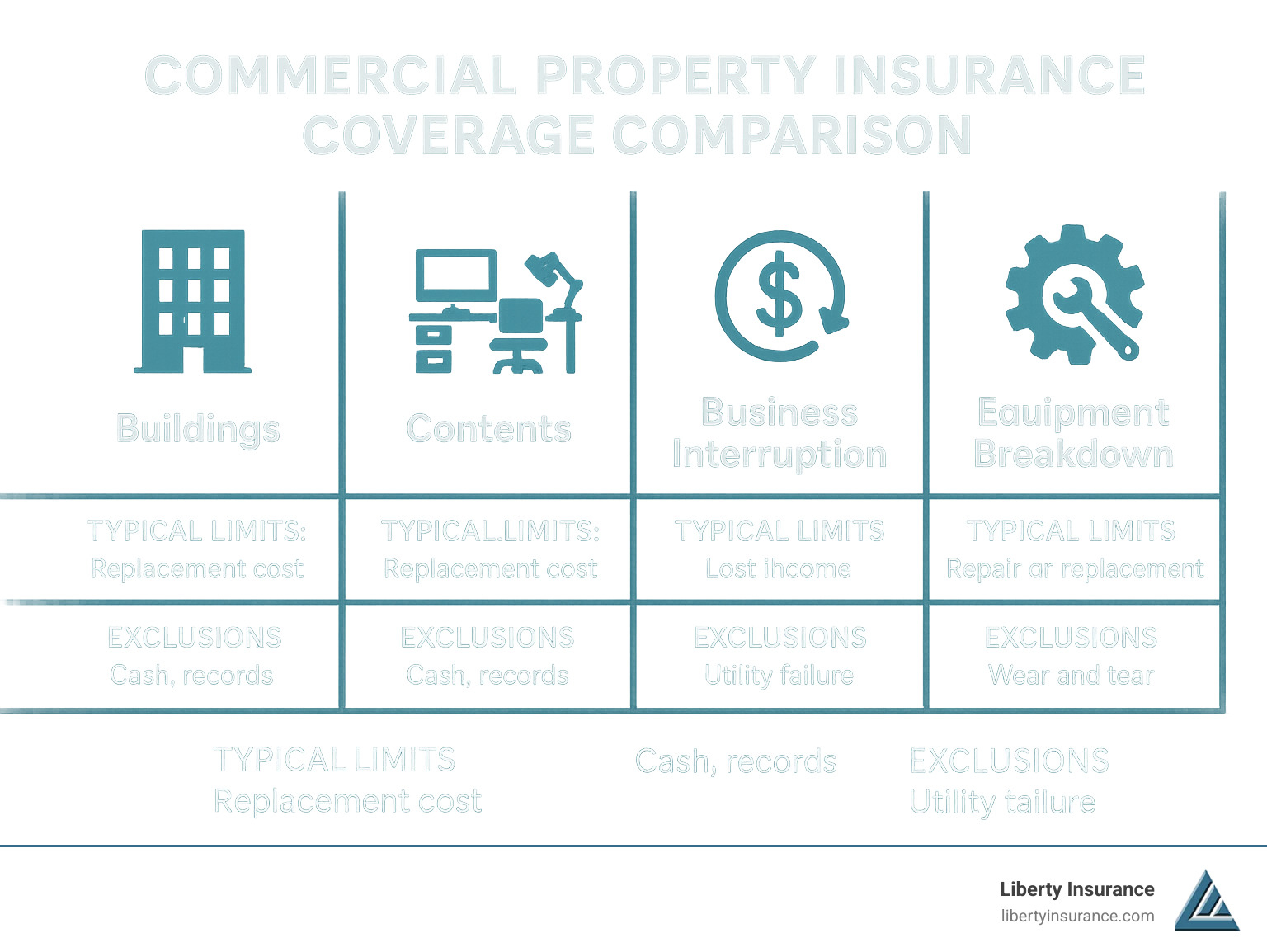
Did you know that many small businesses overpay for insurance? It’s true! But the good news is, you don’t have to be one of them. With a few smart strategies, you can cut costs and still get the coverage you need.
Let’s dive into the secrets of lowering your insurance premiums without compromising on protection. It’s all about understanding your risks and making your insurance work for you.
Smart Strategies for Lowering Premiums
Most small businesses don’t realize that effective risk management can significantly trim down their insurance costs. By implementing safety protocols, you not only create a safer work environment but also make your business more attractive to insurers. Don’t forget about bundling policies! Combining multiple insurance types with a single provider often results in substantial discounts.
One more thing: Regularly reviewing and updating your insurance plans is a must. Why? Because your business isn’t static. As it grows or changes, so do your risks and insurance requirements. By staying on top of these changes, you avoid paying for unnecessary coverage or, worse, being underinsured.
Annual Coverage Optimization Plan
Here is the deal: An annual assessment of your coverage can save you a lot of money. Start with Step #1: Evaluate your current policies. Look at what’s covered and identify any gaps or overlaps. Then, Step #2: Assess your business risks. Have any new risks emerged or old ones diminished? Finally, Step #3: Consult with your insurance provider. They can help tailor a policy that matches your updated needs.
Pro Tip: “Review your policies every renewal period. It’s an opportunity to renegotiate terms and potentially lower costs.”
By following these steps and keeping an eye on your insurance details, you can ensure you’re not overspending while maintaining the right level of protection.
Closure
In conclusion, navigating the world of small business insurance might seem daunting, but armed with the right knowledge, you can secure your business’s future against the unexpected. From understanding the various coverages to choosing the right provider, each step brings you closer to peace of mind. Remember, the right insurance isn’t just a cost—it’s an investment in your business’s longevity.
FAQ Section
What are the three main types of small business insurance?
The three main types are general liability, professional liability, and commercial property insurance, each covering different aspects of business risks.
Why is general liability insurance important?
General liability insurance is crucial as it protects your business from claims related to bodily injuries, property damage, and advertising injuries.
How does professional liability insurance differ from general liability?
Professional liability insurance covers negligence claims arising from errors or omissions, especially important for service-based businesses.
What additional coverages should small businesses consider?
Consider cyber liability, workers’ compensation, and business interruption insurance for comprehensive protection.
How can businesses reduce their insurance costs?
Implementing risk management strategies and bundling policies can help reduce insurance premiums effectively.
