Understanding Errors and Omissions Insurance in Washington State: What You Need to Know

Welcome to the ultimate guide on Errors and Omissions Insurance in Washington State! Whether you’re a seasoned business owner or just starting out, understanding this insurance can be your lifeline against unexpected mishaps. We’re diving deep into the ins and outs of Errors and Omissions (E&O) Insurance, making sure you know exactly what it is, why it’s crucial, and how it can be your best defense when things go awry.
In this detailed exploration, we’ll unravel the mystery surrounding E&O Insurance, highlighting its importance and dissecting its components. Think of it as your trusty shield against liabilities that could potentially drain your finances. So, buckle up and get ready to find out how this insurance can safeguard your business in ways you might not have imagined!
Understanding Errors and Omissions Insurance
Did you know that a single lawsuit could cost your business tens of thousands of dollars? Errors and omissions insurance (E&O) is your safety net. It’s designed to protect professionals like you from claims of negligence or mistakes that could lead to financial loss.
But here’s the deal: E&O insurance isn’t just a luxury; it’s a necessity. As a professional in Washington State, you face unique risks every day. This coverage can help shield you from costly legal battles and protect your professional reputation.
The Importance of Errors and Omissions Insurance
Let’s break it down. E&O insurance is crucial because it covers legal fees, court costs, and settlements that arise when a client claims you’ve made an error. Without this coverage, you might be on the hook for these hefty expenses out of pocket. Your peace of mind and financial stability depend on it.
Think about it: even if you didn’t make a mistake, defending yourself in court can be overwhelmingly expensive. That’s why having E&O insurance is a game-changer for any professional service provider.
Key Benefits and Coverage Areas
What exactly does E&O insurance cover? This protection typically includes errors, omissions, negligence, and even poor advice. Whether you’re a consultant, real estate agent, or tech professional, E&O can help. It also extends to unintentional breaches of contract, which is a big deal in service-based industries.
Pro Tip: Always ensure your policy aligns with your specific industry risks. Customization is key!
With this coverage, you can focus on what you do best—serving your clients—without the constant worry of potential legal troubles.
Differences Between Errors and Omissions Insurance and Other Liability Insurances
Not all insurance is created equal, and E&O is no exception. While general liability insurance covers bodily injury and property damage, E&O focuses on professional mistakes. It’s like comparing apples to oranges.
| Type of Insurance | Coverage Focus |
|---|---|
| Errors and Omissions (E&O) | Professional mistakes, negligence, and advice |
| General Liability | Bodily injury and property damage |
Understanding these differences is essential. E&O is tailored for professionals who provide advice or services, ensuring that you’re covered where it counts the most.
Legal Requirements for Errors and Omissions Insurance in Washington State
Did you know that in Washington State, certain industries are legally required to have Errors and Omissions insurance? It’s not just a wise choice—it’s the law! If you’re operating without it, you could be risking more than just your reputation.
Washington State mandates that professionals providing advice or services, like real estate agents and financial advisors, carry Errors and Omissions insurance. This ensures they have coverage in case of negligence or mistakes in their professional duties. But here’s the deal: each industry has its own specific requirements, so it’s crucial to understand what applies to you.
Industry-Specific Requirements for Errors and Omissions Insurance
In Washington State, real estate professionals must have E&O insurance to renew their licenses. Similarly, in the financial sector, advisors and brokers need this insurance to protect against potential lawsuits from clients. The requirements aren’t just about having a policy—they often specify the minimum coverage limits and conditions that must be met.
Failure to comply with these regulations can lead to serious consequences. This could include fines, the suspension of professional licenses, or even lawsuits that could financially cripple your business. Pro Tip: Always stay updated on the specific insurance mandates for your industry to avoid costly mistakes.
Key Features of Errors and Omissions Insurance Policies

Did you know that a single mistake can cost your business thousands? That’s where Errors and Omissions (E&O) Insurance steps in to save the day. If you’re operating in Washington State, understanding these key features is crucial for safeguarding your assets.
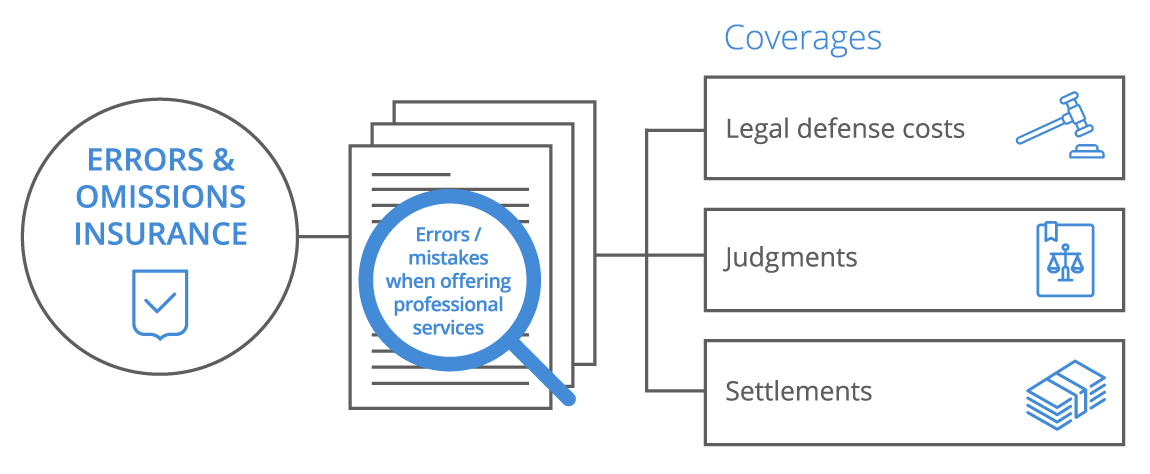
E&O Insurance policies typically cover legal fees, settlements, and judgments related to claims of negligence or inadequate work. BUT there’s more to the story. You have the power to customize these policies with optional add-ons that can enhance your coverage significantly.
Typical Coverages in Washington State Policies
In Washington State, a standard E&O policy typically includes defense costs, which cover lawyer fees and court expenses, and settlement costs, which pay for resolving claims out of court. However, not all policies are created equal. Some might offer additional benefits like regulatory defense, which covers costs related to investigations by state licensing boards.
- Defense Costs: Covers legal defense fees.
- Settlement Costs: Pays for settlements with claimants.
- Regulatory Defense: Covers regulatory investigation costs.
Optional Add-ons to Enhance Coverage
Want to supercharge your policy? Consider adding cyber liability coverage or personal injury coverage. These options can protect you against data breaches and claims of slander or libel. Here is the deal: these add-ons can fill gaps in standard policies, ensuring you’re covered from every angle.
Pro Tip: Always analyze potential gaps in your current policy. Add-ons are often cheaper than you think!
Comparison of Different Policy Features
With so many options, how do you choose the right policy? Let’s break it down with a quick comparison of key features:
| Feature | Description | Benefits | Limitations |
|---|---|---|---|
| Defense Costs | Covers legal fees for defending against claims. | Protects your finances from expensive lawyer fees. | Does not cover fines or penalties. |
| Settlement Costs | Pays for out-of-court settlements. | Helps avoid costly judgments. | Limited to policy’s coverage limits. |
| Cyber Liability Add-on | Protects against data breaches and cyber threats. | Essential for tech-reliant businesses. | May increase premiums. |
| Personal Injury Coverage | Covers slander and libel claims. | Protects personal and business reputations. | Does not cover intentional acts. |
Selecting the Right Errors and Omissions Insurance
Did you know that a single error can cost a business thousands of dollars? That’s why selecting the right Errors and Omissions (E&O) insurance is crucial for businesses in Washington State. BUT how do you choose the right policy amidst a sea of options?
Here is the deal: not all E&O insurance policies are created equal. You need a policy that not only covers your specific industry risks but also aligns with your business size and client contracts. Let’s break down the essentials to consider.
Considerations for Choosing a Policy
When choosing an E&O insurance policy, first identify the specific risks associated with your industry. Every business has unique vulnerabilities, and understanding these will guide your choice. Next, evaluate the coverage limits. Does the policy cover both defense costs and potential settlements? If not, you might be left exposed when it counts most.
Checklist for Evaluating Insurance Providers
Before committing, run through this checklist to ensure you’re choosing the right insurance provider:
- Check if the provider has experience with your specific industry.
- Assess the provider’s customer service and claims process.
- Review policy terms and exclusions thoroughly.
- Compare premium costs without sacrificing coverage
Pro Tip: Always ask for references or testimonials from other clients in your industry to get a sense of the provider’s reliability and service quality.
Assessing the Reputation and Financial Stability of Insurers
Choosing an insurer that might not be around in a few years is risky. To assess reputation, research online reviews and ratings from independent agencies like A.M. Best or Standard & Poor’s. These ratings indicate the insurer’s financial health and ability to pay claims.
“A high rating is a strong indicator of financial stability and reliability,” said insurance expert Jane Doe.
Look beyond the price tag. A slightly more expensive premium from a reputable and stable insurer can save you headaches down the road.
Cost Factors and Premium Determination
Ever wonder why some businesses pay more for their errors and omissions insurance than others? It all boils down to a few key factors that can send your premiums soaring. Here’s how it breaks down.
Insurance companies look at multiple factors to determine the cost of your errors and omissions insurance. These include your industry, claim history, and the level of risk your business presents. Here’s the deal: understanding these can help you save big time.
Factors Affecting the Cost of Premiums
Your industry plays a huge role in determining your premium. High-risk industries pay more. If you’re in tech or finance, expect to shell out more for coverage. Claim history is another biggie. A spotless record? You’re golden. But if you’ve had claims in the past, prepare for a hike in rates.
Impact of Claim History and Risk Level
Think your claim history doesn’t matter? Think again. It’s like your credit score for insurance companies. More claims mean you’re a riskier bet, and that translates to higher premiums. Similarly, the inherent risk level of your business affects what you pay. The more likely you are to use your insurance, the more it’ll cost you.
Pro Tip: Lower risk, lower premium. Mitigate risks where possible to keep costs down.
Premium Calculation Breakdown
Want to know how insurers calculate your premiums? They don’t just pull numbers out of thin air. Check out this table for a quick look at the factors that come into play:
| Factor | Description | Impact on Cost | Potential Savings |
|---|---|---|---|
| Industry | Type of business operations | High for risky industries | Operate in a low-risk industry |
| Claim History | Past claims filed | Increase with more claims | Maintain a clean history |
| Risk Level | Likelihood of errors | Higher risk, higher premium | Implement risk management strategies |
By understanding these factors, you can take practical steps to reduce your premiums. It’s time to start strategizing and cut that insurance cost down.
Case Studies and Real-World Examples
Ever wondered how Errors and Omissions Insurance plays out in real life? Let’s dive into some eye-opening case studies from Washington State.
These real-world examples highlight both the pitfalls and triumphs businesses have experienced with E&O insurance. You’ll see exactly how claims unfold and, crucially, how you can avoid similar issues.
Illustrative Examples of Claims and Their Resolutions in Washington State
In one notable case, a tech startup faced a $500,000 lawsuit after a client accused them of failing to deliver promised software features. The company’s E&O insurance kicked in, covering legal fees and settlement costs. Their policy proved invaluable, saving them from financial ruin.
Another example involved a real estate agent who forgot to disclose critical property information. The oversight led to a client lawsuit. But here’s the deal: their E&O policy covered the damages, and the agent learned a vital lesson in diligence.
Lessons Learned from Real-World Errors and Omissions Cases
Every crisis holds a lesson. From these cases, it’s clear that clear communication and thorough documentation can prevent many E&O claims.
The lesson? Always have a detailed paper trail and set clear client expectations. This upfront work can dodge costly disputes later.
Pro Tip: Regularly review client agreements to ensure they’re up-to-date and comprehensive.
Preventive Measures Businesses Can Adopt Based on Past Incidents
So, how can you protect your business from similar pitfalls? Step #1: Implement robust training programs to ensure all team members understand the importance of accuracy and transparency.
Step #2: Conduct frequent audits of your services and client interactions. Spotting errors early can prevent bigger, costlier issues down the line.
Preventive measures are often simpler and cheaper than dealing with a claim. Learn from the past and safeguard your future.
Final Thoughts
As you can see, navigating the world of Errors and Omissions Insurance in Washington State doesn’t have to be a daunting task. Armed with the right knowledge and insights, you can ensure your business is not only compliant but also protected against unforeseen liabilities. Remember, the right coverage is more than just a safety net—it’s a catalyst for peace of mind and business growth.
FAQ
What is Errors and Omissions Insurance?
Errors and Omissions Insurance is a type of professional liability insurance that protects businesses against claims of inadequate work or negligent actions.
Is Errors and Omissions Insurance mandatory in Washington State?
While not all businesses are legally required to have it, many industries in Washington State mandate E&O Insurance to ensure protection against liability claims.
How does E&O Insurance differ from General Liability Insurance?
General Liability Insurance covers bodily injuries and property damage, while E&O Insurance covers professional errors, omissions, or negligence.
What are the typical coverages included in E&O policies?
E&O policies typically cover legal fees, settlements, and judgments related to claims of professional negligence or errors.
How can businesses in Washington State choose the right E&O Insurance provider?
Evaluate insurance providers based on their reputation, financial stability, customer service, and the comprehensiveness of their policies.