Starting a small business is a thrilling journey filled with opportunities and challenges. But amidst the excitement, one crucial aspect that often gets overlooked is business insurance. Navigating through various insurance options can be daunting, yet it’s vital for safeguarding your venture against unforeseen risks. Let’s dive into the world of small business insurance and uncover the policies that can shield your dreams.
Whether you’re a seasoned entrepreneur or just starting out, understanding the nuances of small business insurance can be the difference between success and unexpected setbacks. From liability to workers’ compensation, each policy plays a pivotal role in protecting both your business and your peace of mind. So, let’s break down the complexities and simplify the essentials with a dash of Backlinko flair.
Understanding Small Business Insurance
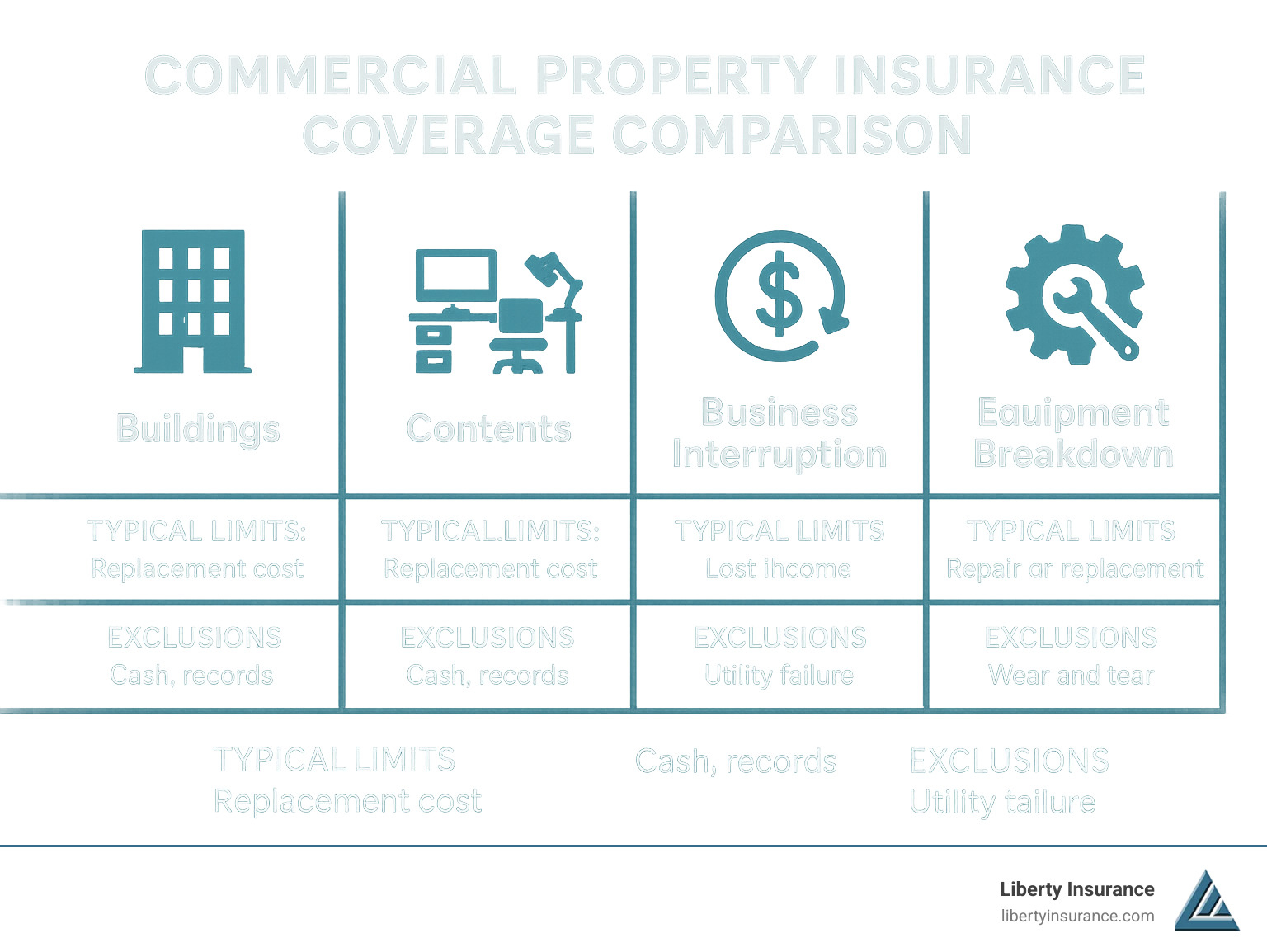
Did you know 40% of small businesses never reopen following a disaster? That’s where small business insurance comes in. It’s not just a safety net; it’s a lifeline.
Small business insurance is crucial for keeping your doors open when the unexpected strikes. From natural disasters to lawsuits, having the right coverage can mean the difference between sinking and swimming. Let’s dive into the types of insurance policies available for small businesses and why they matter.
Types of Insurance Policies Available for Small Businesses
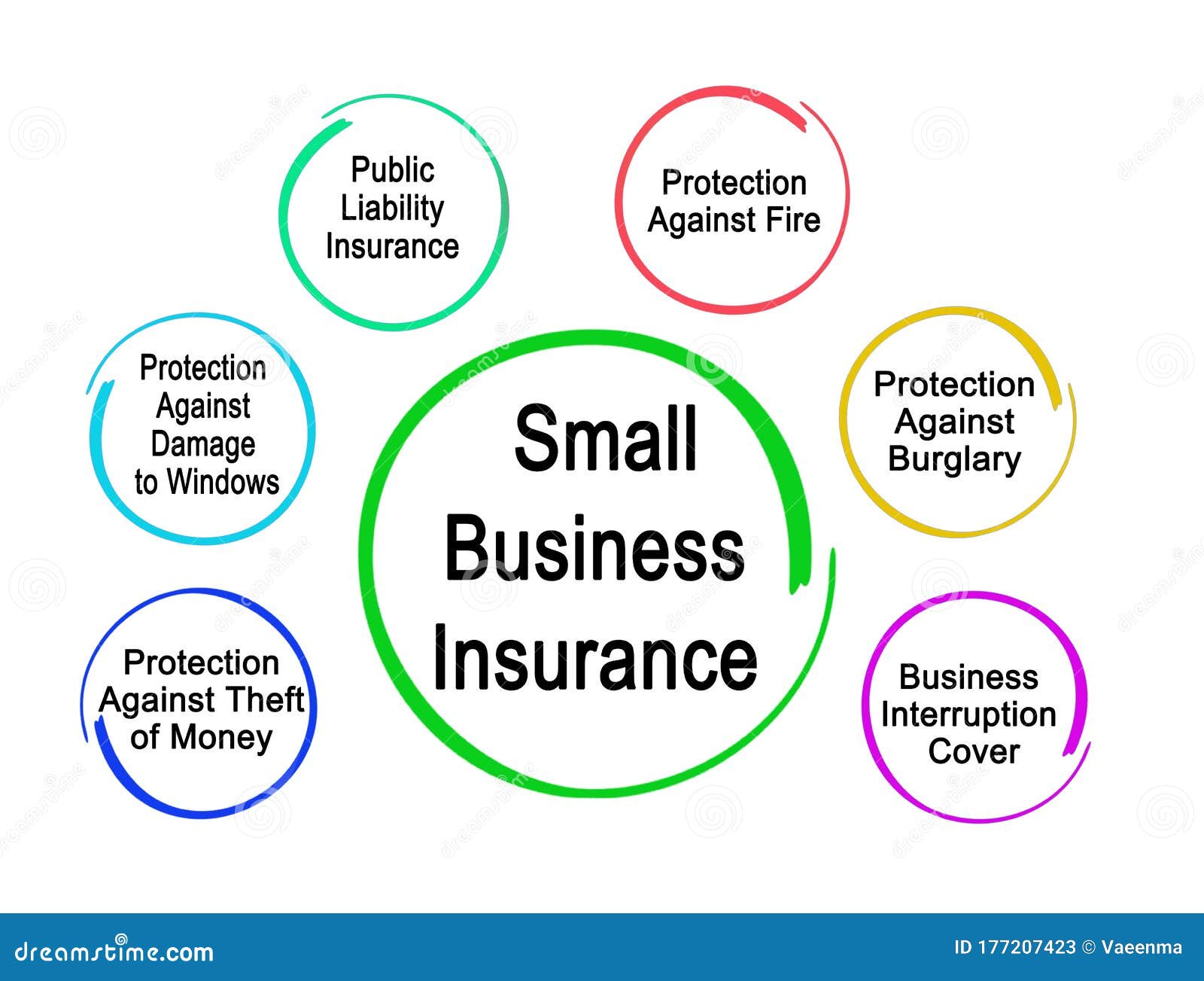
There are several essential insurance policies every small business should consider. First up is liability insurance. This covers you if someone sues your business for negligence. Then there’s property insurance, which protects your physical assets from damage or theft. Lastly, workers’ compensation is vital if you have employees—it covers medical expenses and lost wages if they’re injured on the job.
Here is the deal: you might think you can skip some of these, BUT that could be a costly mistake. Each type of insurance serves a specific purpose, ensuring comprehensive protection for your business.
Importance and Benefits of Small Business Insurance
Why is small business insurance so important? Simple: it protects your investment. You’ve poured your heart, soul, and savings into your business. Imagine losing it all because of an accident or lawsuit. Insurance not only protects your assets but also gives you peace of mind.
Insurance is not an expense; it’s an investment in the longevity of your business.
It provides a safety net that allows you to take calculated risks and grow your business confidently.
Common Risks Faced by Small Businesses and Coverage Options
Running a business is risky. From data breaches to customer injuries, these are just a few of the potential pitfalls. But having the right insurance policy can mitigate these risks.
- Data Breach: Cyber liability insurance can protect you from the costs associated with a breach.
- Customer Injury: General liability insurance covers medical expenses and legal fees if a customer gets injured.
- Property Damage: Property insurance safeguards your building and equipment against disasters.
Pro Tip: Always reassess your coverage annually to ensure it meets your evolving business needs. This proactive approach can save you headaches down the line.
Overview of Liability, Property, and Workers’ Compensation Insurance
Let’s break down the big three: liability, property, and workers’ compensation insurance. Liability insurance is your first line of defense against lawsuits. Property insurance covers your physical assets. And workers’ compensation ensures your employees are taken care of if they get hurt.
| Insurance Type | Purpose | Key Benefit |
|---|---|---|
| Liability Insurance | Protection against lawsuits | Minimizes financial risk from legal claims |
| Property Insurance | Protection of physical assets | Covers repair/replacement costs |
| Workers’ Compensation | Employee injury coverage | Ensures employee financial support and limits employer liability |
Understanding these policies can make a huge difference in the resilience and sustainability of your business. Don’t leave it to chance—get the coverage you need.
Selecting the Right Insurance Policy
Did you know that 40% of small businesses have never been insured? Shocking, right? But here’s the deal: choosing the right insurance policy can mean the difference between weathering a storm or closing your doors for good.
You need to start by understanding the specific risks your business faces. This isn’t a “one-size-fits-all” situation. Evaluate your needs carefully because the wrong policy can leave you vulnerable.
Steps for Evaluating Your Insurance Needs
Let’s dive into how to figure out what your business actually needs. First, identify potential risks. Are you in a flood zone? Do you own expensive equipment? After pinpointing your risks, it’s crucial to assess the potential financial impact of those risks.
Step #1: List all your assets including physical, intellectual, and human resources.
Step #2: Analyze past incidents and industry-specific risks that could affect you.
Step #3: Consider consulting with an insurance broker for expert insight.
Criteria for Choosing an Insurance Provider
Not all insurance providers are created equal. Here’s what to focus on: Financial Stability, Reputation, and Customer Service. Start by checking each provider’s ratings with agencies like A.M. Best or Moody’s. Then, read online reviews to gauge customer satisfaction.
Pro Tip:
“Choosing a provider with outstanding customer support can save you headaches when you need to file a claim.”
Comparison of Coverage Options
How do the different coverage options stack up? Here’s a quick comparison:
| Coverage Type | Pros | Cons |
|---|---|---|
| General Liability | Protects against lawsuits | Doesn’t cover employee injuries |
| Professional Liability | Covers service-related lawsuits | Limited to professional errors |
| Property Insurance | Covers equipment and inventory | Excludes natural disasters |
Guideline for Determining Appropriate Coverage Limits
Setting coverage limits can feel like guesswork. But here’s the deal: it’s about balancing risk and cost. Start by calculating your total assets. This gives a baseline for how much coverage you need. Then, consider industry standards and specific risks as these might require higher limits.
Step #1: Add up the value of all your assets.
Step #2: Research industry norms for coverage limits.
Step #3: Factor in potential lawsuit costs to avoid underinsurance.
Cost Factors and Budgeting
Did you know that small businesses spend an average of $1,200 annually on insurance premiums? But those costs can vary dramatically based on several key factors.
Understanding these factors is crucial if you want to keep your expenses in check while ensuring comprehensive coverage. Let’s dive into what affects your small business insurance costs and how you can budget for them effectively.
Factors Affecting Insurance Premiums
Several elements dictate the price tag on your insurance premiums. Your industry is a major player; high-risk sectors like construction naturally pay more. The size and revenue of your business also matter. Larger operations often mean higher premiums. Location can’t be ignored either—where you’re based influences rates due to varying state regulations and risk levels.
Budgeting for Insurance as Business Expenses
Before you panic about those numbers, let’s talk budgeting. List insurance as a line item in your monthly expenses. Calculate your average monthly revenue, and allocate a percentage toward insurance. A good rule of thumb is 1-3% of your total revenue. This gives you a predictable framework to manage costs without surprises.
- Review your budget quarterly
- Adjust allocations based on revenue fluctuations
- Build a buffer for unexpected premium hikes
Cost Comparison of Insurance Providers
Not all insurance providers are created equal when it comes to cost. Here’s a quick comparison to help you make an informed decision:
| Provider | Average Annual Premium | Coverage Benefits |
|---|---|---|
| Provider A | $1,000 | Basic coverage, low deductible |
| Provider B | $1,500 | Comprehensive coverage, medium deductible |
| Provider C | $900 | Minimal coverage, high deductible |
Strategies to Reduce Insurance Costs
Think you’ve squeezed every penny? Here are some strategies to slash those premiums even further:
First, shop around. Don’t settle on the first quote you receive. Use comparison tools to evaluate multiple providers. Also, consider bundling policies. Combining different types of insurance under one provider often brings discounts.
Pro Tip: Raise your deductible to lower your premium. It’s a trade-off—more upfront risk, lower regular costs.
Don’t forget to regularly reassess your coverage needs. As your business grows, some coverage may be unnecessary or overlap. Trim the fat and ensure you’re only paying for what you truly need.
Legal Requirements and Compliance
Did you know that skipping mandatory insurance can cost you more than just fines? It can even shut down your business! Small businesses often get tangled in the web of legal responsibilities. But knowing what to cover can save you from a BIG headache.
Here’s the deal: Every small business must adhere to specific legal obligations when it comes to insurance. And it’s not just about buying any policy; it’s about getting the right one. Different industries have unique requirements that you need to tick off your checklist. Let’s dive into what you need to know to stay on the right side of the law.
Mandatory Insurance Policies for Different Industries
Every industry has its own set of rules. If you’re in construction, workers’ compensation is a must. Got a delivery service? You’ll need commercial auto insurance. Retail? Think about liability insurance to cover customer mishaps. It’s not just good practice; it’s the law.
Missing out on these policies can mean hefty fines or, worse, losing your business license. So, ensure you’re covered by understanding what’s required for your specific industry. And remember, state laws can vary, so double-check with local regulations.
Pro Tip: Always consult with a legal expert to ensure you get the complete picture of your industry’s insurance requirements.
Checklist for Insurance Compliance
Staying compliant can feel overwhelming, but it doesn’t have to be. Follow this checklist to keep things straightforward:
- Identify the mandatory insurances for your industry.
- Contact an insurance provider to understand your options.
- Regularly review and update your policies as your business grows.
- Keep copies of all insurance documents and records.
Handling Insurance Audits and Documentation
Insurance audits can seem intimidating, but they’re manageable if you’re prepared. When the auditor comes knocking, having organized documentation is crucial. Ensure all your records are up-to-date and easily accessible.
Step #1: Maintain clear records of all your policies and claims. Step #2: Be transparent with auditors and provide the information they request promptly. Regular audits ensure that your coverage is adequate and compliant. It’s not just about passing the audit; it’s about safeguarding your business against potential risks.
Pro Tip: Schedule periodic reviews of your insurance documentation to avoid last-minute scrambles during audits.
Claims Process and Management
Ever wondered how to turn a daunting insurance claim into a straightforward task? The secret lies in understanding the claims process and managing every step efficiently.
When disaster strikes, knowing how to file a claim can make or break your small business. The process involves notifying your insurer, detailing the loss, and working with an adjuster to get your payout. But here’s the deal: many small businesses miss out on full benefits simply because they don’t manage claims effectively.
Steps to File and Manage an Insurance Claim
Step #1: Notify your insurer immediately. The clock starts ticking the moment an incident occurs. Call your insurance provider and get the ball rolling.
Step #2: Document everything. Take pictures, gather invoices, and keep records. You need solid evidence to back up your claim.
Step #3: Submit a detailed claim form. Precision is key here. Include all necessary details about the incident and the estimated loss.
Step #4: Work closely with the insurance adjuster. Adjusters assess the damage and determine the claim amount. Give them all the information they need and be available for any follow-up questions.
Step #5: Track your claim. Stay in contact with your insurer and check the progress regularly. You want no surprises when it comes to your payout.
Pro Tip: “Aim for over-communication rather than under-communication with your adjuster. It ensures they have everything they need to process your claim efficiently.”
Maximizing Your Claim Benefits
Working with adjusters can be tricky, but it’s crucial for getting the most out of your claim. Be assertive but professional. Clearly communicate your needs and don’t hesitate to provide additional documentation if required. When in doubt, ask for a second opinion or involve an independent adjuster.
Example: A fire damaged a local bakery, and the owner promptly filed a claim. By providing thorough documentation and working closely with the adjuster, the bakery received full coverage for repairs and even lost income compensation.
Keep in mind, some claims might involve disputes over the payout amount. Prepare to negotiate if necessary, providing detailed evidence that supports your case.
Future Trends in Small Business Insurance
Did you know that 75% of small businesses are underinsured? That’s a ticking time bomb! With emerging trends, now’s the time to rethink your insurance game plan.
Small business insurance is evolving faster than ever. From cutting-edge tech to entirely new types of coverage, the landscape is shifting. And if you don’t adapt, you could get left behind.
Emerging Trends in Coverage
Here’s the deal: traditional policies are no longer enough. With cyber threats on the rise, cyber liability insurance is now a must-have. Likewise, if you’re hiring freelancers or remote workers, you might be looking at new forms of employment practices liability coverage.
Technology’s Impact on Insurance Services
Technology is revolutionizing how we access insurance. Think about it: AI-driven chatbots can now handle claims, cutting down processing time from weeks to mere days. But that’s not all—IoT devices can offer real-time risk assessment, potentially lowering your premiums. If you’re not leveraging tech in your insurance strategy, you’re missing out.
Pro Tip: Incorporate digital tools to streamline your insurance management and keep costs in check.
Evolving Needs of Small Businesses
Small businesses today face unique challenges and risks. Gig economy players need flexible, on-demand insurance options. And as sustainability becomes more critical, green insurance products are gaining traction. Adapting to these evolving needs is crucial for long-term success.
Innovative Insurance Products
Let’s look at some innovative products shaking up the industry:
| Insurance Product | Description |
|---|---|
| Cyber Liability Insurance | Covers data breaches and cyber attacks. |
| Parametric Insurance | Payouts triggered by specific events like natural disasters. |
| Usage-Based Insurance | Premiums based on actual service usage. |
| Embedded Insurance | Insurance offered at the point of sale or service. |
Conclusion
In conclusion, navigating the small business insurance landscape is not only essential but also achievable with the right guidance and understanding. By carefully selecting the appropriate policies and staying informed on emerging trends, you can ensure your business remains resilient and future-ready. Remember, the right insurance is not just a safety net; it’s a strategic tool that empowers your entrepreneurial journey. So, equip yourself with knowledge, choose wisely, and let your business thrive with confidence.
Frequently Asked Questions
What are the main types of small business insurance?
The main types include liability insurance, property insurance, and workers’ compensation. Each serves a unique purpose to protect different aspects of your business.
How do I determine the insurance needs of my small business?
Evaluate the specific risks associated with your industry and operations. Consider factors such as your business location, assets, and workforce size.
What factors influence the cost of small business insurance?
Premiums are affected by business size, industry, location, and claims history. Bundling policies and maintaining a good credit score can help reduce costs.
Are there mandatory insurance requirements for small businesses?
Yes, requirements vary by industry and location. Common mandatory policies include workers’ compensation and general liability insurance.
How can technology impact small business insurance?
Technology streamlines the insurance process through online policy management, AI-driven risk assessments, and digital claims processing.
